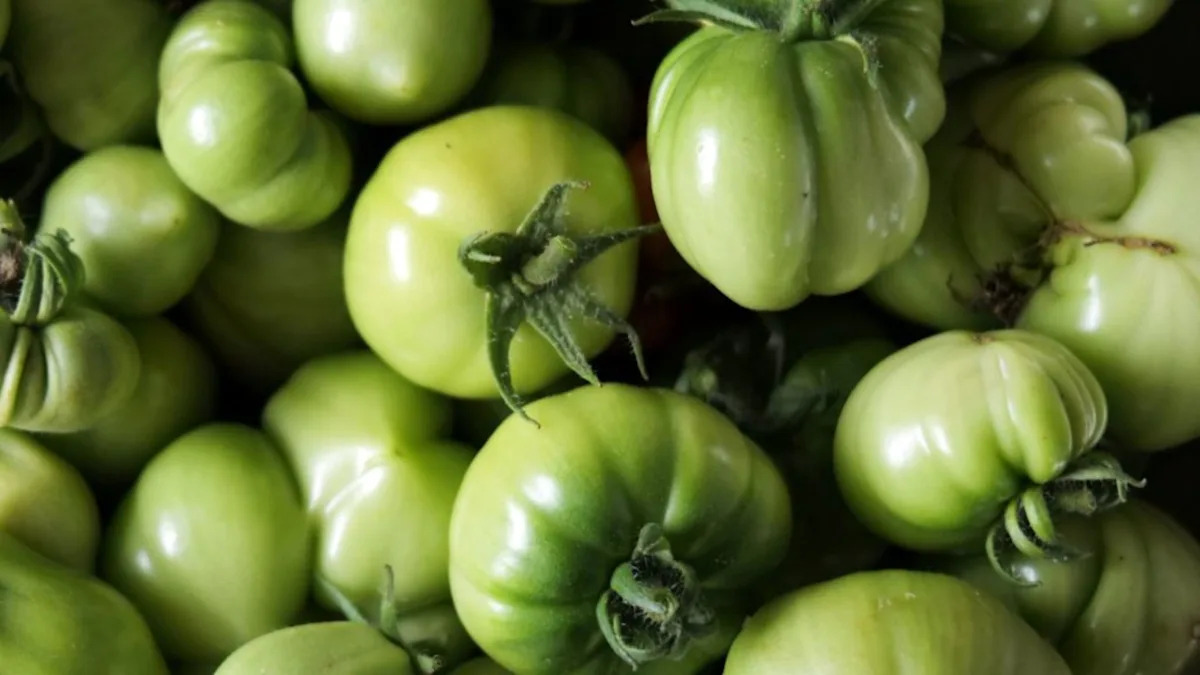
As the days shorten and a crisp chill fills the autumn air, every gardener faces a bittersweet dilemma: a bounty of green tomatoes stubbornly clinging to their vines, with the threat of the first frost looming large. It's a heartbreaking sight to imagine all that potential flavor succumbing to the cold. But what if you didn't have to surrender those verdant beauties to winter's icy embrace? What if you could extend the taste of summer for weeks, even months, after the garden has gone to sleep?
The good news is, you absolutely can! You don't need a greenhouse or any special equipment. With a simple, time-tested technique, you can continue to enjoy sun-ripened flavor long after the growing season ends. The secret lies in understanding a little bit of plant science and knowing how to box them up turning tomatoes red right in the comfort of your home. Forget the sadness of wasted produce; let's transform those green gems into glorious red adults!
The Science Behind the Blush: Understanding Tomato Ripening
Before we dive into the practical steps, let's briefly unravel the magic that transforms a firm, green tomato into a luscious, red orb. This isn't just a color change; it's a fascinating biological process orchestrated by nature itself, and understanding it is key to successful indoor ripening.
The star player in this transformation is a natural plant hormone called ethylene. All fruits produce ethylene gas as they mature, acting as a signaling mechanism that tells the fruit (and surrounding fruits) it's time to ripen. Ethylene triggers a cascade of changes within the tomato:
- Chlorophyll Breakdown: The green pigment, chlorophyll, which is essential for photosynthesis, begins to degrade.
- Carotenoid Synthesis: Simultaneously, new pigments called carotenoids (responsible for reds, oranges, and yellows) are synthesized, giving the tomato its characteristic vibrant color.
- Softening: Enzymes break down pectin, the substance that gives the fruit its firm structure, leading to a softer, juicier texture.
- Sugar Development: Starches convert into sugars, enhancing the sweetness and flavor.
By mimicking the natural conditions that promote ethylene production and circulation, we can effectively trick our green tomatoes into continuing their ripening journey indoors. This process relies on a cool, dark environment where ethylene can concentrate and work its magic, transforming your post-frost harvest into delicious, ready-to-eat tomatoes.
Picking Your Future Red Beauties: Selecting Mature Green Tomatoes
Not all green tomatoes are destined for indoor ripening success. The key is to select "mature green" tomatoes – those that have reached a specific stage of development, even if they haven't started to change color. Attempting to ripen truly immature tomatoes (e.g., tiny, rock-hard ones) will often lead to disappointment, as they lack the internal mechanisms to fully ripen or develop good flavor.
Here’s how to identify your best candidates for indoor ripening:
- Full Size for Their Variety: The tomato should be as large as it would get if it ripened on the vine. A golf-ball-sized cherry tomato or a softball-sized beefsteak tomato that is still completely green is a good sign.
- Slight Sheen to the Skin: Mature green tomatoes often have a slight gloss or sheen to their skin, rather than a dull, dark green.
- Pale Green or Whitish Bottom: Some varieties will show a slight lightening or whitish hue on the blossom end as they approach maturity.
- Firmness: They should be firm to the touch, not rock-hard, but also not soft or mushy.
- Internal Check (Optional): If you’re unsure, cut one open. A mature green tomato will have fully developed seeds surrounded by a jelly-like substance. Immature ones will have smaller, undeveloped seeds and no jelly.
When harvesting, handle your tomatoes gently to avoid bruising, which can lead to spoilage. Leave a small piece of the stem (calyx) attached if possible, as this can help prevent rot, but it's not strictly necessary. Carefully wipe off any dirt or debris, but avoid washing them, as excess moisture can encourage mold. Discard any tomatoes that show signs of disease, cracks, or significant blemishes, as these will likely spoil before ripening.
The Simple Secret: How to Box Them Up Turning Tomatoes Red
Now for the main event: the surprisingly easy method to box them up turning tomatoes red. This technique is incredibly effective and requires minimal effort or specialized equipment. It leverages the natural power of ethylene in a controlled environment to bring those stubborn green tomatoes to their full, red glory.
Step-by-Step Guide to Indoor Tomato Ripening:
- Gather Your Supplies:
- Cardboard Boxes: Shoe boxes, moving boxes, or any sturdy cardboard box will work perfectly. Cardboard is ideal because it breathes slightly, preventing excessive moisture buildup, and it's opaque, keeping light out.
- Newspaper or Paper Towels: These will be used for padding and separating layers.
- Optional (for faster ripening): A ripe banana or apple.
- Prepare Your Tomatoes:
- As discussed, select only mature green tomatoes, free from blemishes or disease.
- Gently wipe them clean, but do not wash.
- You can remove the stems completely, or leave small stubs. Some gardeners prefer to remove them to prevent puncturing other tomatoes, while others believe leaving a bit of stem helps. Experiment to see what works best for you.
- Arrange in Layers:
- Line the bottom of your box with a layer of newspaper or paper towels.
- Place your tomatoes in a single layer, ensuring they don't touch each other if possible. This minimizes the risk of rot spreading from one tomato to another.
- If you have many tomatoes, you can add another layer of newspaper and then another layer of tomatoes. Avoid piling them too high, as this can create pressure and bruising.
- The Ethylene Boost (Optional but Recommended):
- To significantly speed up the ripening process, place a ripe banana or apple in each box. These fruits produce a higher concentration of ethylene gas, which acts as a powerful ripening agent for the surrounding tomatoes.
- Important: Keep a close eye on the added fruit. Once it starts to turn mushy, remove it immediately to prevent mold and spoilage. For more detailed insights on this technique, check out The Ethylene Secret: Quickly Ripen Green Tomatoes with a Banana.
- Find the Perfect Spot:
- Close the lid of your cardboard box.
- Place the box in a cool, dark place. Ideal temperatures for ripening are between 55-70°F (13-21°C). A closet, pantry, basement, or even under a bed can be perfect.
- Avoid direct sunlight, as this can cause uneven ripening, scalding, or even cooking of the tomatoes. Also, avoid excessively cold areas (below 50°F / 10°C) which will halt ripening, or too-warm areas (above 75°F / 24°C) which can lead to soft, mealy tomatoes without good flavor development.
- Monitor and Enjoy:
- Check your boxes every few days, perhaps twice a week.
- As tomatoes ripen, they will gradually turn from green to pink, then orange, and finally red.
- Carefully remove any tomatoes that have ripened to your desired color and enjoy them!
- While checking, also look for any signs of spoilage (mold, softness, strong odors) and remove affected tomatoes immediately to prevent them from contaminating others.
- You can re-box the remaining green tomatoes and put them back in their dark spot to continue ripening. This continuous process allows you to enjoy fresh tomatoes for weeks, or even months! For a deeper dive into this simple yet effective method, refer to Box Them Up: Turn Your Green Tomatoes Red The Easy Way.
Troubleshooting and Pro Tips for Indoor Ripening
- Uneven Ripening: It's common for tomatoes to ripen at different rates. Some may have been more mature than others when picked. Just keep cycling them through, removing the reds as they appear.
- Spoilage Prevention: The most crucial aspect is good airflow and immediately removing any spoiled fruit. If you notice mold, a strong fermented smell, or very soft spots, discard that tomato. Avoid overpacking your boxes.
- Extending the Season: With this method, you can often ripen tomatoes for several weeks, sometimes even into early winter, depending on how many you pick and how mature they were.
- Alternative Method (Less Effective for Large Batches): Some gardeners hang entire vines upside down in a cool, dark place. While this can work, it's often messier and less efficient than the boxing method, as the tomatoes still need to be mature green, and air circulation around individual fruits can be limited.
The beauty of this technique is its simplicity and effectiveness. You're harnessing natural processes in a controlled way, transforming what might have been lost into a continuous harvest of fresh, delicious tomatoes.
Don't let the first frost signal the end of your fresh tomato supply. By understanding the science of ethylene and employing the simple method of how to box them up turning tomatoes red, you can extend the bounty of your garden well into the colder months. It’s a rewarding way to savor the flavors of summer and ensure that not a single one of your precious tomatoes goes to waste. So, grab those cardboard boxes, pick your mature green beauties, and get ready to enjoy delicious, homegrown tomatoes long after the vines have withered.
